
Alabama Increases Pressure on Sweeps
If sweepstakes casinos are feeling pressure elsewhere, Alabama just cranked it up.
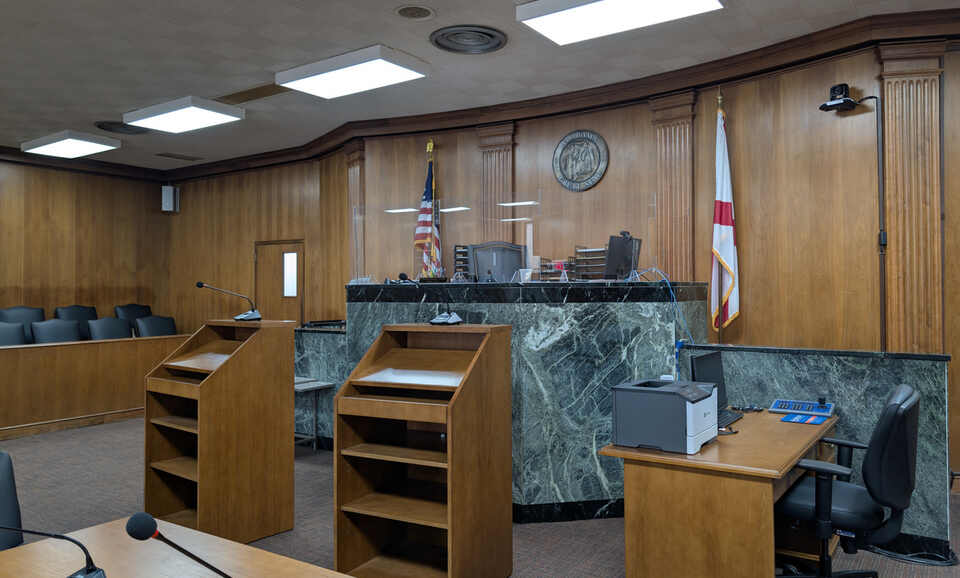
Operators are now facing 21 new lawsuits in the state, pushing the total number of active cases past 40, way more than in any other U.S. state. It’s not a warning shot or a regulatory letter. It’s a full-blown legal pile-on, driven largely by private citizens using a little-known but powerful Alabama law.
And unlike other states, Alabama doesn’t need new legislation to make life difficult. The law it’s using has been there all along.
Why Alabama Is Different
Alabama has some of the toughest gambling laws in the country. No state lottery. No commercial casinos. No sports betting. Gambling here isn’t just restricted, it’s very unwelcome.
That strict environment is what makes Ala. Code § 8-1-150 such a potent weapon. The law allows anyone who loses money gambling to sue and recover those losses, if they act within six months. If they don’t act within that time, the law goes even further: any other person is allowed to sue the operator instead.
Now here’s the twist: if that lawsuit succeeds, the money doesn’t go back to the gambler. It goes to the person who filed the case.
That setup doesn’t just allow lawsuits, it actively encourages them.
Why Sweepstakes Casinos Are in the Crosshairs
The lawsuits all hinge on the same core argument: sweepstakes casinos don’t just look like gambling platforms, they operate like them.
Plaintiffs argue that the games are always available, not limited to short promotional windows, and that players can wager again and again, just as they would at a traditional online casino.
They also point to payout rates that closely resemble those of traditional slot machines, often around 92% RTP. In that context, plaintiffs argue the games operate less like promotions and more like full-scale online casinos.
What Operators Say in Response
Operators strongly disagree.
Sweepstakes platforms argue that players can participate for free, earn Sweeps Coins through promotions, and aren’t required to spend money to play. From their perspective, that keeps them on the right side of the law.
Stake, one of the operators named in earlier cases, has said it does not operate an online casino in Alabama, but rather a “social casino with free-to-play games” that complies with local regulations.
That disagreement between what the games are called versus how they function, is at the heart of every case.
Why Earlier Lawsuits Didn’t Clear the State
This isn’t Alabama’s first run-in with sweepstakes casinos. Last year, 13 lawsuits were filed against operators including Stake, VGW, and High 5, but most companies chose to stay in the state.
The only notable withdrawal came from B-Two, the company behind McLuck, Hello Millions, SpinBlitz, and PlayFame. Even that exit didn’t last. The sites later reappeared after the lawsuits failed to produce decisive outcomes.
So far, courts haven’t delivered a definitive ruling that forces a broad shutdown.
Why This Wave Could Be Different
The time scale is different.
With more than 40 lawsuits now in motion, legal costs rise quickly and the risk of deeper scrutiny increases. It becomes much harder for operators to absorb the pressure quietly or wait it out.
Gaming attorney Daniel Wallach has suggested it may only be a matter of time before the Alabama Attorney General steps in. If that happens, the pressure shifts from private litigation to state-level enforcement, and that’s a whole different fight.
What This Means for Alabama Players
As lawsuits pile up, the risk of sudden site exits, disrupted accounts, or frozen balances increases. Redemption windows could also shrink with little notice if operators decide to pull back.
It’s another reminder that a platform being accessible online doesn’t necessarily mean it’s legally secure, or built to last.
Part of a Bigger Pattern
Alabama may be taking a different route, but it’s heading in the same direction as other states.
Elsewhere, regulators have relied on attorney general enforcement, cease-and-desist letters, or outright bans to rein in sweepstakes casinos. Alabama is doing it through the courts instead.
Different tools, same result: growing pressure on sweepstakes casinos operating in legal gray zones.
Gambling Reform Looms, But Not Soon
There’s an irony here. Alabama lawmakers have talked about expanding legal gambling, including adding a lottery, but nothing is changing anytime soon. Even the most optimistic proposals wouldn’t take effect until 2027 at the earliest.
Until then, sweepstakes casinos are being judged under existing law, and that law leaves very little room for maneuvering.
What Happens Next
A single decisive court ruling could redefine how sweepstakes casinos operate in Alabama, or determine whether they can operate there at all. Settlements, quiet exits, or even attorney general involvement may follow as cases move forward.
For now, one thing is clear: Alabama has become the most challenging courtroom in the country for sweepstakes casinos, and what happens here could influence how other states approach the issue.

Blaise Luis

